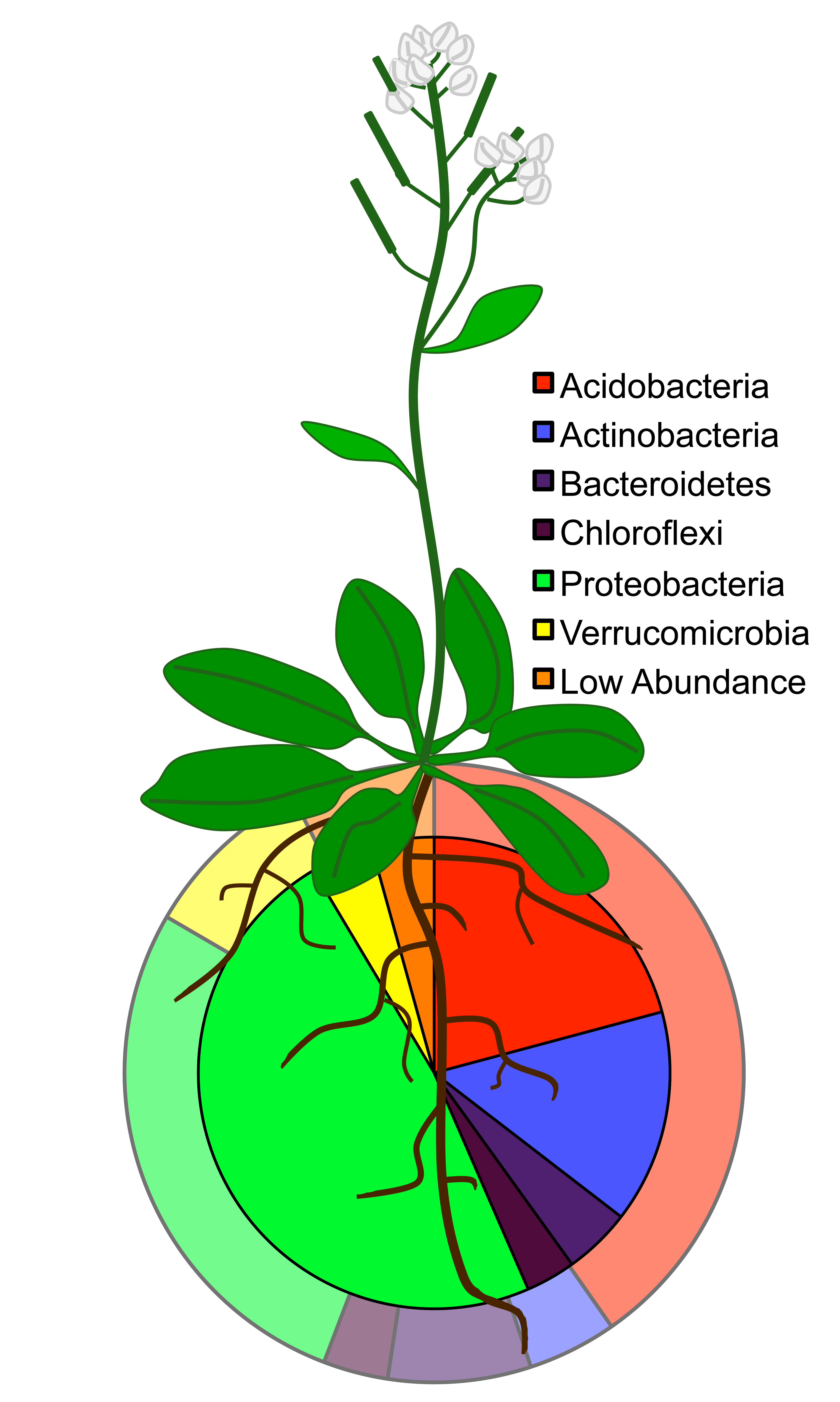
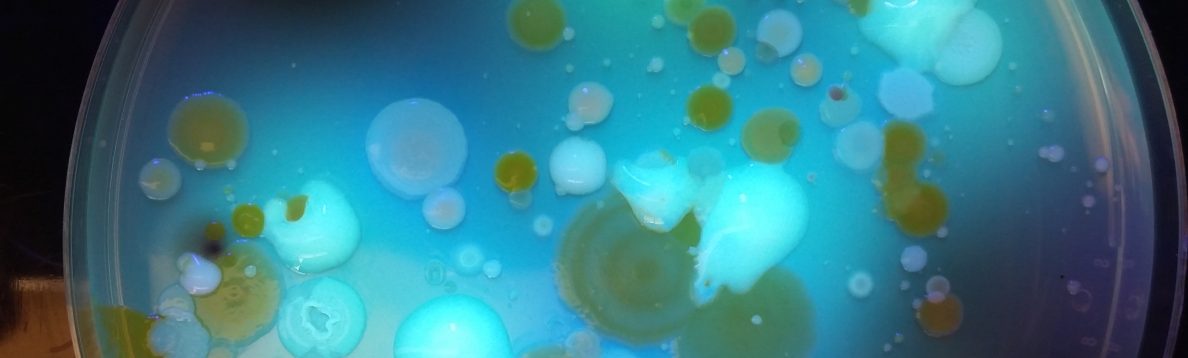
Symbiotic interactions, where two or more organisms form stable interactions, span lifestyles from beneficial to pathogenic. Whether the outcome of symbiotic interactions is beneficial or harmful is the result of the complex interaction of host immunity, microbial genotype, and the environment. Our lab is interested in the factors that determine whether the outcome of host-microbe interactions will be beneficial or harmful for the host. We use computational, genomic, and molecular approaches to tease apart the complexity of systems involving a host and diverse microbiota. We primarily use a reductionist model consisting of beneficial or pathogenic bacteria from the genus Pseudomonas and the reference plant Arabidopsis to identify molecular mechanisms that shape host-microbiome and host-pathogen interactions.
- How do beneficial microbiota protect hosts from pathogens?
- How does host immunity distinguish between beneficial and pathogenic microbes?
- How does bacterial genome evolution affect host range and virulence?
There are vast genetic tools available for Arabidopsis that have allowed us to develop genetic screening approaches to find plant genes that shape microbiome structure and function. We also take advantage of the functional diversity and vast genomic data in Pseudomonas to perform high-throughput screening and comparative genomics. Our work provides basic information about mechanisms that determine the functional outcomes of host-microbe interactions, and is relevant for both human health and agriculture.